
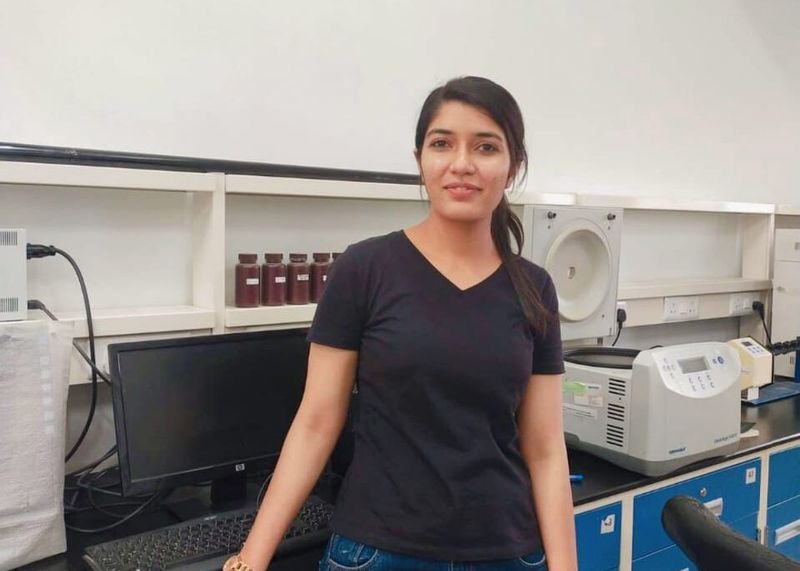
The researchers from the Central University of Punjab, located in Bathinda district, claimed to have identified bacteria living on seaweeds that could help develop new antibiotics to fight drug-resistant superbugs. Superbugs are those germs that no longer respond to regular medicines.
The study, led by PhD scholar Manpreet Kaur under the guidance of Prof Felix Bast at the Department of Botany, has been published in the international journal, International Microbiology.
It highlights how certain beneficial bacteria on seaweed surfaces act as natural defenders by producing antibacterial compounds.
Researchers examined five types of seaweed collected from the Indian coast and isolated 26 bacterial strains. Among them, one strain – Exiguobacterium aestuarii (EB-38) – showed strong antibacterial activity against harmful pathogens, including Staphylococcus aureus and Klebsiella pneumoniae, even at low concentrations.
Explaining the findings, Manpreet Kaur said seaweeds rely on such microbes for protection as they cannot move away from disease-causing organisms. “These bacteria act like bodyguards, producing compounds that destroy pathogens,” she said.
Further analysis revealed that the bacterium produces rare bioactive compounds known as Pyrrolo[1,2-a] pyrazine-1,4-dione derivatives. These not only kill harmful microbes but also have antioxidant properties, indicating potential applications in pharmaceuticals and biotechnology.
Prof Felix Bast said the findings underline the untapped potential of marine ecosystems in drug discovery. “Traditional sources of antibiotics are becoming less effective. Marine microbes could offer the next generation of antimicrobial agents,” he noted.
“With India’s vast coastline and a growing national focus on the Blue Economy, translating these bioactive compounds from the beach to the laboratory can play a transformative role in future drug discovery. This research has significant potential to benefit society by contributing to the global fight against antibiotic-resistant infections, one of the most pressing public health threats of the 21st century,” remarked Prof Bast.
Vice-Chancellor Prof Raghavendra P Tiwari termed the research a reflection of the university’s growing scientific contribution, adding that such studies align with the country’s focus on exploring marine resources.
“Despite our location in the landlocked state, our researchers are actively involved in extensive field research across the globe, from the freezing terrains of Antarctica to the dynamic Indian coastlines. Such innovative studies highlight the crucial role our university plays in national and international research,” added the Vice-Chancellor.
