
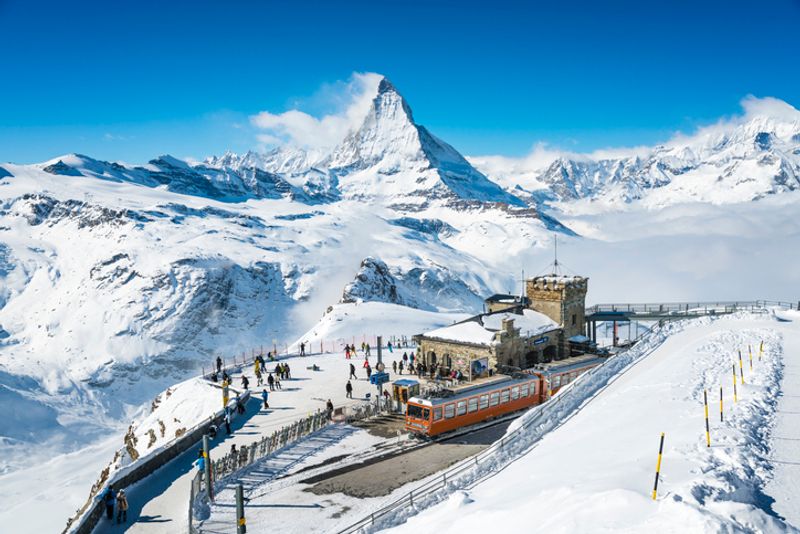
A new scientific study in the Italian Alps is offering volunteers a rare opportunity, spend a month in the mountains with free accommodation, free meals and a €400 stipend while researchers monitor how the human body adapts to altitude.
The project, titled MAHE (Moderate Altitude Healthy Exposure), will be conducted by Eurac Research between August and September 2026 at the Nino Corsi mountain refuge inside Stelvio National Park.
Located around 2,300 metres above sea level, the remote alpine setting will host 24 healthy adults for four weeks as scientists study the long-term effects of moderate altitude exposure.
What the Italy Alps study will examine
Researchers will closely track participants’ heart and lung function, metabolism, sleep patterns, appetite, endurance and overall physical performance during the month-long stay.
While many altitude studies focus on extreme elevations above 3,500 metres, the MAHE project aims to understand what happens to the body at moderate altitudes — the kind where millions of people actually live, travel, hike and work.
According to Eurac Research, more than 200 million people worldwide live permanently above 2,000 metres, yet scientific data on long-term exposure at these elevations remains limited.
At higher altitudes, lower oxygen levels can affect breathing, stamina and mental performance. Researchers want to know whether similar changes occur after prolonged stays at moderate elevations.
Volunteers to follow strict scientific routine
The study is not designed as a vacation retreat despite the scenic alpine location.
Participants will live under controlled conditions, with researchers regulating food intake and physical activity to isolate the effects of altitude exposure.
The programme will unfold in three phases:
One week in Silandro, Italy (720 metres) for baseline health tests
Four weeks at the Nino Corsi refuge in the Alps (around 2,300 metres)
One final week in Bolzano for post-study medical examinations
Scientists say this structure will allow them to compare changes in each participant before, during and after the mountain stay.
Who can apply?
The study is seeking healthy men and women aged 18 to 40 who normally live near sea level.
However, the eligibility criteria are strict. Volunteers with chronic illnesses, smoking or drug habits, heavy alcohol consumption or intensive athletic training are excluded.
Participants also must not have spent time above 1,500 metres in the month before the study begins, ensuring their bodies have not already adapted to altitude.
Researchers say excluding highly trained athletes will help them better understand how average healthy adults respond to lower oxygen conditions over several weeks.
Why the study matters
The project comes amid growing scientific interest in whether mountain living may offer long-term health benefits.
A 2025 study published in the journal Gerontology found slightly higher life expectancy and lower deaths from circulatory diseases among Alpine populations in northern Italy compared with lowland communities.
While researchers caution that many lifestyle and environmental factors could influence those findings, the MAHE project aims to provide more controlled scientific evidence on how moderate altitude affects human health.
Scientists hope the results could improve understanding of mountain medicine, endurance training, tourism health risks and long-term adaptation to altitude.
