
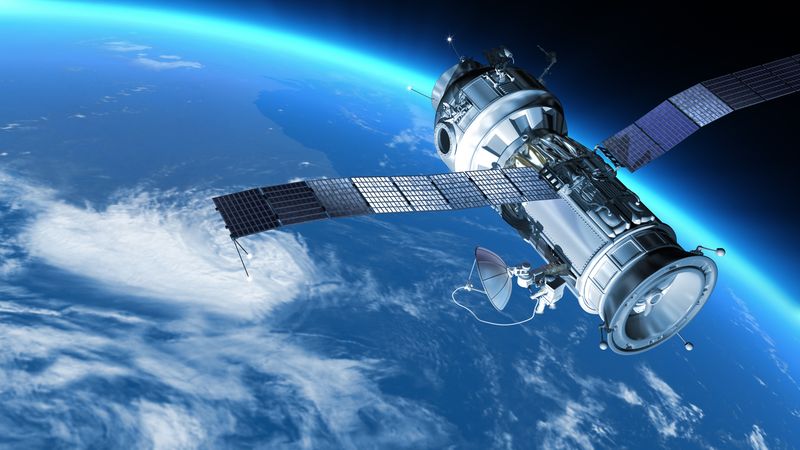
Nearly 14 years after its launch, Van Allen Probe A is expected to re-enter Earth’s atmosphere around March 10, according to NASA.
Launched in 2012 along with its twin Van Allen Probe B, the spacecraft studied the Van Allen radiation belts — rings of charged particles trapped by Earth’s magnetic field that shield the planet from harmful solar radiation.
The roughly 1,323-pound probe is expected to mostly burn up during atmospheric re-entry, though some components may survive. Officials estimate the risk of harm on Earth to be very low — about 1 in 4,200.
Originally planned as a two-year mission, the probes operated for nearly seven years and made key discoveries about space weather, including evidence of a temporary third radiation belt during intense solar activity.
Scientists say the probe’s earlier-than-expected re-entry is due to increased atmospheric drag caused by the current solar cycle’s strong activity.
